Pediatric burn care presents a unique set of clinical, operational, and emotional challenges. Children are not simply “small adults.” Their skin structure, physiology, developmental stage, and psychological response to trauma require a different assessment and treatment approach from the very first moment of care.
From EMS triage through hospital admission and long-term recovery, pediatric burn management demands precision, coordination, and specialized expertise. Below, we explore the key challenges clinicians face—and how emerging technologies may help improve consistency and confidence in pediatric burn assessment.
Why Pediatric Burn Care Requires a Different Approach
Higher Vulnerability: Thinner Skin, Deeper Burns
Children have thinner skin compared to adults. As a result, burns can penetrate more deeply with less exposure time. What may appear superficial initially can evolve into deeper injury within hours.
This makes early and accurate assessment particularly critical in pediatric patients.
Developmental Considerations
Pain expression, fear, and movement significantly affect pediatric burn evaluation. Younger children may be unable to clearly describe pain severity or mechanism of injury. Distress and anxiety can also make physical examination difficult, increasing the risk of incomplete assessment.
Differences in TBSA Distribution
Total Body Surface Area (TBSA) distribution differs between children and adults. For example, children have proportionally larger heads and smaller lower extremities, making adult-based assessment tools inaccurate.
For a foundational explanation of TBSA and its role in burn management, see:
Understanding TBSA in Burn Care
Emotional and Psychological Impact
Pediatric burns affect not only the child but also caregivers. Anxiety, guilt, and fear can influence decision-making and complicate communication during emergency care. Managing emotional distress while performing rapid clinical evaluation adds another layer of complexity.
Accurate TBSA Estimation in Children Is Difficult
Adult Rule of Nines Is Inaccurate for Children
The commonly used Rule of Nines was developed for adults and does not reflect pediatric body proportions. Using it in children can significantly miscalculate burn size.
Lund & Browder Chart: Necessary but Imperfect
The Lund and Browder chart adjusts for age and is considered the gold standard in pediatric TBSA estimation. However, under emergency pressure, it remains prone to error—especially when burns are irregular, scattered, or evolving.
Measurement Challenges
- Irregular burn shapes
- Multiple small areas
- Movement during assessment
- Limited cooperation
All of these factors reduce accuracy.
Consequences of Mis-Sizing
Incorrect TBSA estimation can lead to:
- Over-resuscitation (risking fluid overload)
- Under-resuscitation (risking hypoperfusion)
- Delayed burn center transfer
- Inappropriate ICU utilization
For a detailed look at role-based TBSA responsibilities, see:
Who Measures TBSA and When
To understand variability in visual estimation more broadly:
How Accurate Are Burn Surgeons in Visually Assessing a Burn Wound?
Burn Depth Assessment Is Less Reliable in Pediatric Patients
Visual assessment of burn depth is challenging in all patients—but even more so in children.
Why Accuracy Drops in Pediatrics
- Thinner skin changes visual presentation
- Rapid burn progression can mask true depth
- Blistering and edema obscure wound characteristics
- Dressings applied pre-hospital may limit visibility
Variability Across Clinicians
EMS providers, ED nurses, trauma physicians, and burn surgeons may each assess the wound differently. In pediatric cases, this variability may increase due to movement, distress, and time constraints.
Early identification of full-thickness components is critical to prevent delayed surgical intervention.
For more on objective imaging approaches, see:
Multispectral Imaging Technology
Unique Challenges for EMS in the Field
Pre-hospital care for pediatric burns is particularly complex.
Environmental Stress & Limited Tools
EMS teams operate in uncontrolled environments with limited pediatric-specific tools. Accurate sizing and depth estimation must often occur rapidly.
Cooperation & Movement
A distressed child may resist examination, making measurement and documentation more difficult.
Triage Complexity
EMS providers must simultaneously assess:
- Airway and inhalation injury risk
- Associated trauma
- Fluid resuscitation thresholds
- Burn center transport criteria
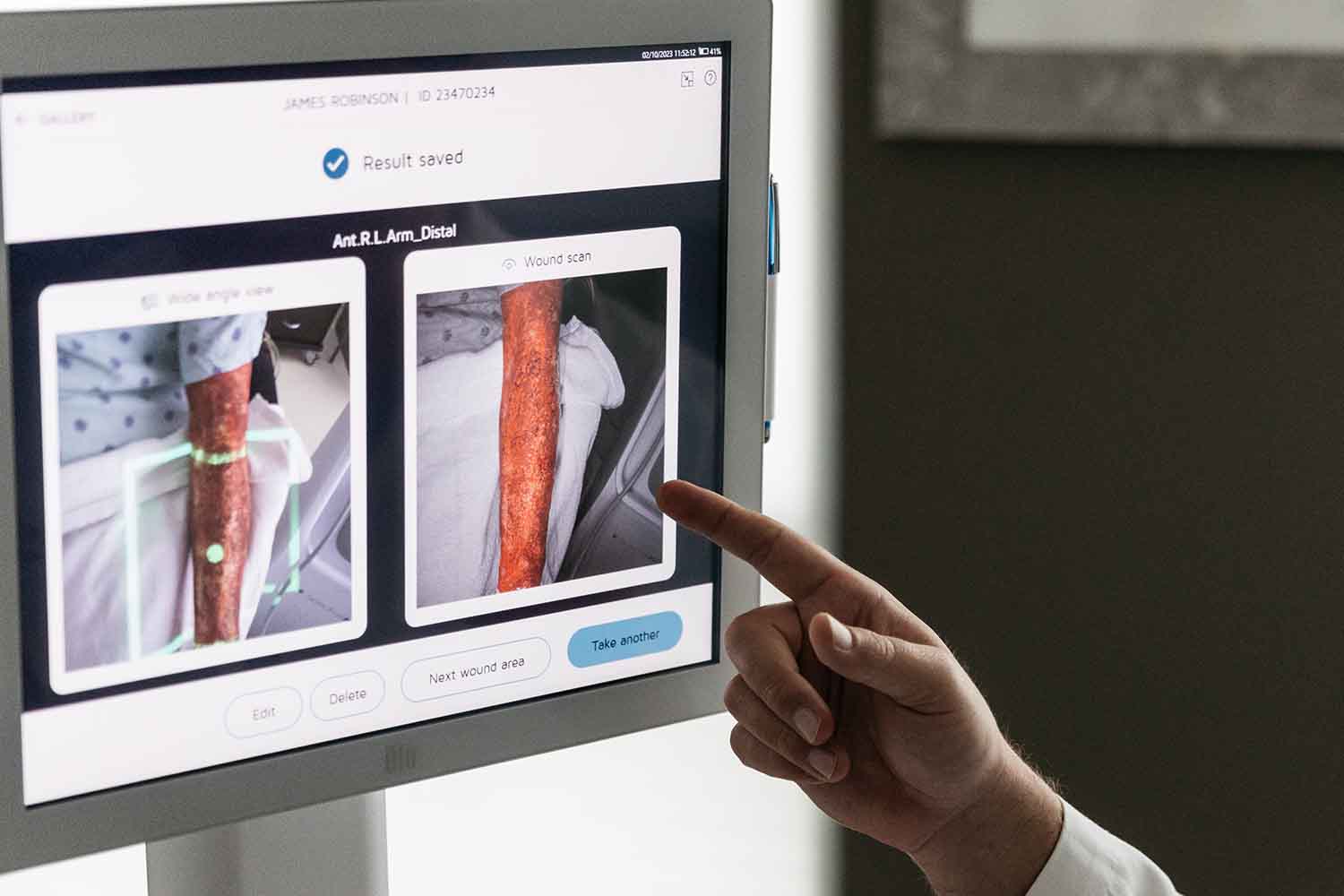
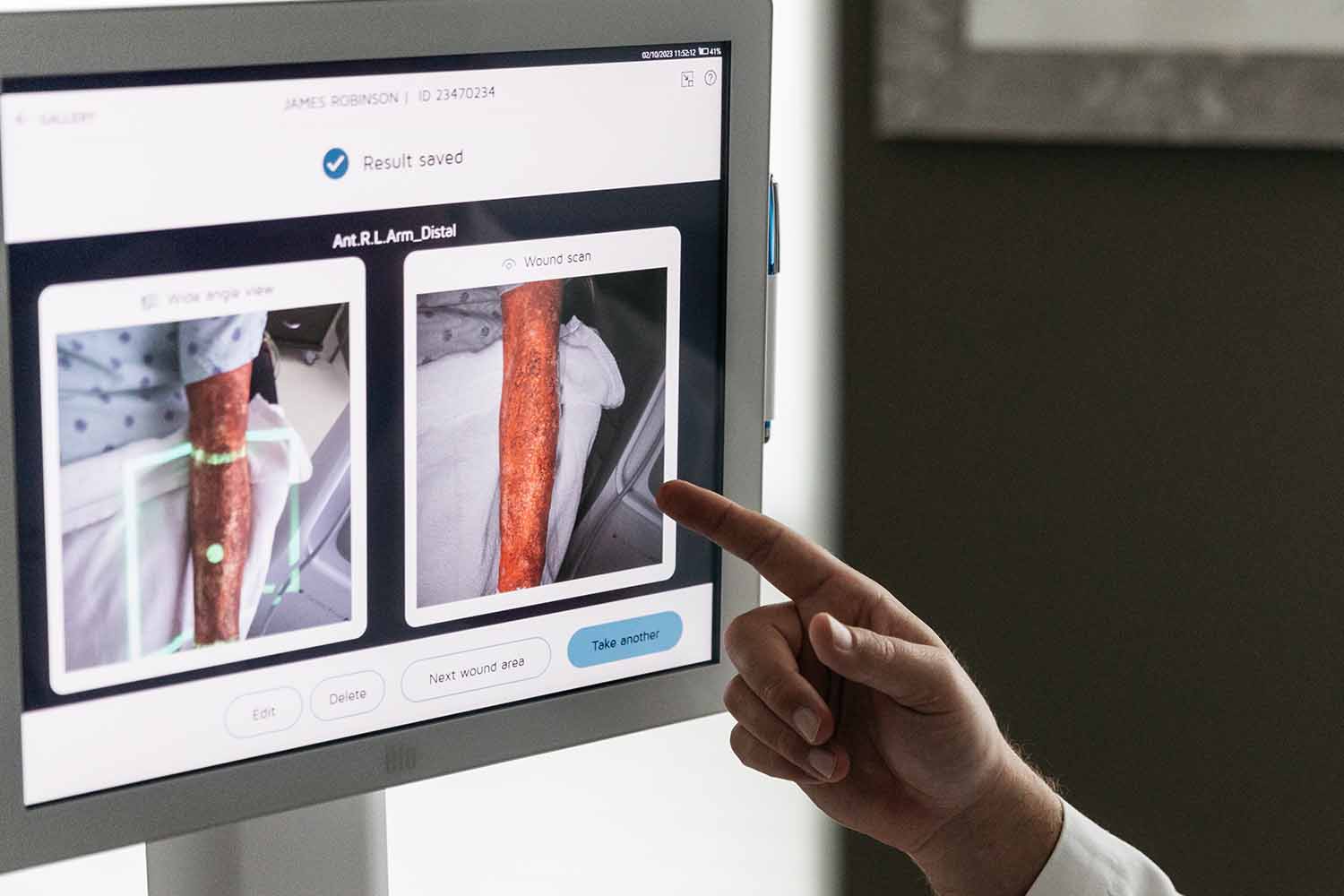
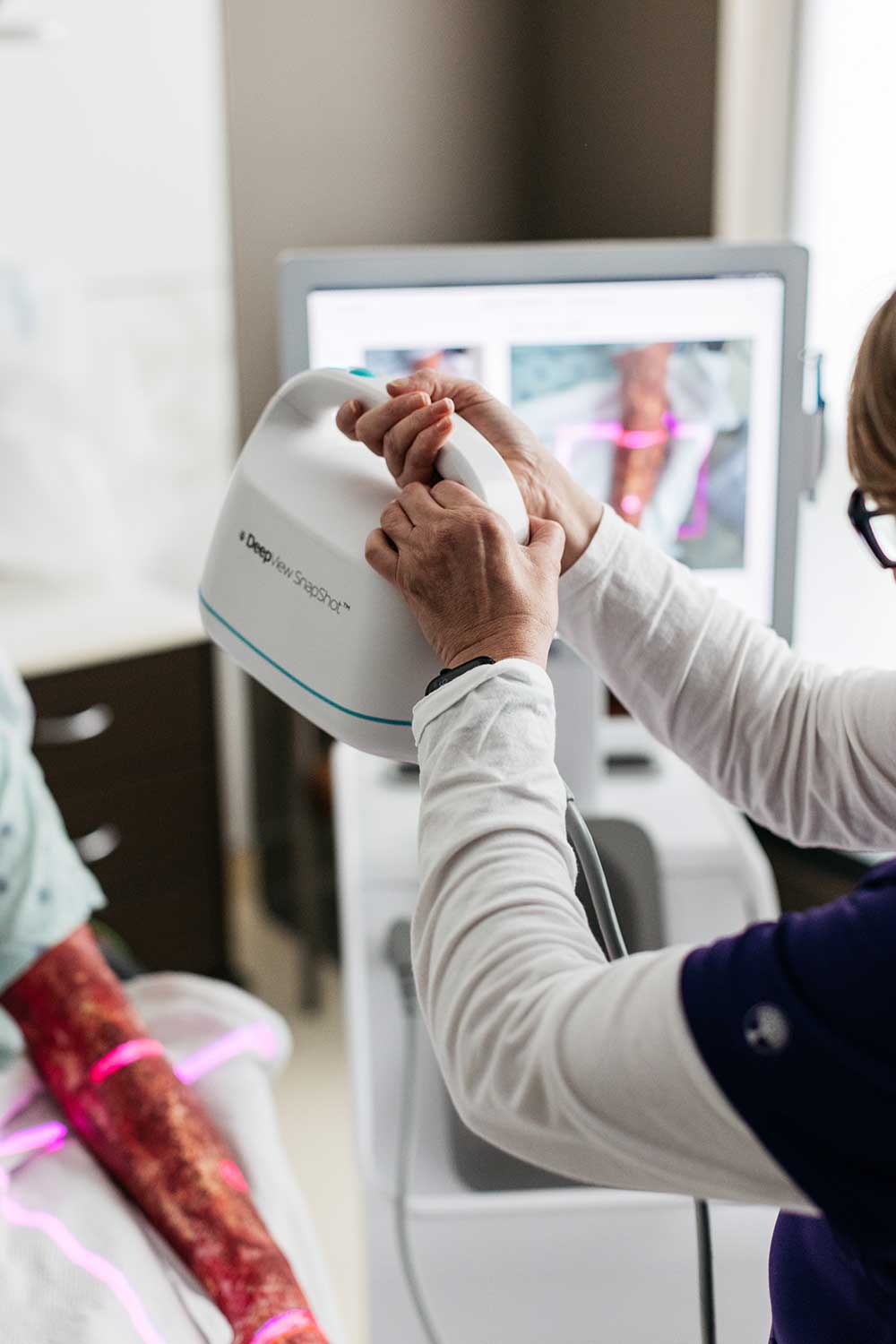
As technology evolves, tools like DeepView SnapShot® aim to support rapid, non-invasive wound assessment that may complement traditional evaluation methods.
Hospital-Based Challenges: ED, OR, and Burn Unit
Once the child reaches the hospital, challenges continue.
Changing TBSA Estimates
TBSA calculations often shift between:
- EMS documentation
- Emergency department assessment
- Burn team evaluation
These discrepancies can alter treatment decisions.
Documentation Consistency
Maintaining accurate pediatric burn records across transitions of care remains difficult.
Higher Risk of Complications
Children are at increased risk of:
- Hypothermia
- Fluid imbalance
- Infection
- Rapid metabolic changes
Longer-term concerns include:
- Hypertrophic scarring
- Contractures
- Need for early excision and grafting
For deeper exploration of imaging-supported assessment, see:
DeepView AI System Overview
Understanding Burn Wound Diagnosis
Operational & Administrative Challenges in Pediatric Burn Care
Beyond clinical complexity, pediatric burn care creates institutional challenges.
Training Burden
Pediatric burn events are relatively low-frequency but high-acuity. Maintaining staff competency requires ongoing training.
Variation in Expertise
Not all hospitals have specialized pediatric burn expertise, leading to variability in assessment and referral patterns.
Need for Standardization
Standardized tools and protocols can reduce variability and improve consistency across care settings.
Misassessment can lead to:
- Unnecessary transfers
- Delayed transfers
- Incorrect ICU utilization
- Financial strain on institutions
Emerging imaging-based systems, including the DeepView AI® System, aim to support more consistent assessment across care environments.
How Emerging Technologies Can Improve Pediatric Burn Care
Technological advancements may help address many current challenges.
Non-Invasive Imaging
Multispectral imaging provides objective tissue information beyond what the human eye can detect. This can reduce reliance on subjective visual estimation.
AI-Based Insights
Artificial intelligence models trained on wound data may help support:
- Burn depth characterization
- Healing potential prediction
- Risk stratification
Consistency Across Teams
Objective imaging can support continuity across EMS → ED → OR workflows.
Reduced Emotional Burden
Minimizing repeated manual examinations may reduce pain and distress for pediatric patients.
Learn more about:
Wound Care Solutions for Predictive Healing
Multispectral Imaging Technology
Learn how the DeepView AI® System is working to support more objective, consistent wound assessment in pediatric burn care.

More about Deepview
Learn more about our DeepView® technology
Request a Demo
Looking to learn more about DeepView® technology, or eager to see it in action?
Future Potential: Pediatric-Specific AI Burn Assessment Models
Looking ahead, pediatric burn care may benefit from:
- Age-specific skin modeling
- Automated TBSA and depth classification
- Integration with tele-burn consultations
- Support for rural EMS decision-making
While these technologies continue to evolve, the goal remains clear: reduce variability while keeping clinicians at the center of decision-making.
Key Takeaways
- Pediatric burn care presents unique challenges in assessment, triage, and treatment.
- TBSA and burn depth estimation carry greater variability in children.
- EMS, ED teams, and surgeons face additional complexity in stressful environments.
- Non-invasive imaging and AI-supported tools may help improve consistency and confidence in burn evaluation.
Learn how the DeepView AI® System is working towards more objective and consistent wound assessment across all stages of burn care.
More about Deepview
Learn more about our DeepView® technology
Request a Demo
Looking to learn more about DeepView® technology, or eager to see it in action?
Related Posts