
August 16, 2024 – Last Updated on February 4, 4026
Artificial intelligence in medical imaging is transforming how clinicians detect, evaluate, and manage disease.
What Is Artificial Intelligence in Medical Imaging?
Artificial intelligence (AI) in medical imaging refers to the use of machine learning, deep learning, and computer vision systems to analyze imaging data—including radiology scans, ultrasound images, and multispectral wound images—with greater speed, consistency, and reproducibility than traditional visual interpretation alone.AI enhances diagnostic accuracy, accelerates workflows, and supports more objective decision-making across radiology, wound care, pathology, and cardiology. These capabilities are increasingly recognized in clinical research, including ABA, EBA, and BBA studies involving AI-driven burn wound evaluation.
Why AI Matters in Modern Medical Imaging
AI plays a central role in modern diagnostics because clinicians must interpret an expanding volume of imaging data under increasing time pressure. Tools that extract patterns, highlight abnormalities, and quantify findings help reduce variability between clinicians and improve diagnostic confidence.This challenge is especially visible in burn care, where the lack of standardized diagnostic tools has historically increased variability in assessment—an issue explored further in Why Burn Care Lacks Diagnostic Devices and How Technology Can Close the Gap
AI in Healthcare: Core Applications
1. Medical Imaging
AI algorithms analyze X-rays, CT scans, MRI datasets, ultrasound, and multispectral imaging.
They can identify subtle abnormalities—including pulmonary findings, oncologic changes, and tissue viability patterns—that may be difficult to detect visually.
2. Predictive Analytics
AI models integrate imaging data with patient history, biomarkers, and demographic factors to forecast risks and outcomes.
3. Electronic Health Records (EHRs)
AI automates data extraction, classification, documentation, and population-health surveillance.
This reduces administrative burden and improves longitudinal tracking of imaging trends.
4. Virtual Health Assistants
Chatbots and virtual agents help patients self-screen symptoms, schedule imaging appointments, and understand preparation instructions.
Importance of AI in Medical Imaging
AI enables clinicians to evaluate images more consistently and more quickly, reducing subjective interpretation and allowing earlier disease detection—especially in specialties where visual assessment varies significantly between clinicians.
This variability is well-documented in burn care. For example, research summarized in How Accurate Are Burn Surgeons in Visually Assessing a Burn Wound? demonstrates that even experienced surgeons show substantial disagreement when estimating burn depth from visual cues alone.

More about Deepview
Learn more about our DeepView® technology
Request a Demo
Looking to learn more about DeepView® technology, or eager to see it in action?
How AI Is Transforming Medical Imaging
AI-Powered Medical Imaging Tools
Modern AI systems use convolutional neural networks (CNNs), generative models, and image segmentation algorithms to detect anomalies, classify tissues, and support diagnostic decisions. These tools now match or exceed human-level performance in several imaging domains.
Clinical Benefits Include:
- Faster interpretation, especially in high-volume radiology departments
- More consistent findings across clinicians and shifts
- Detection of faint or early abnormalities often missed during rapid reads
AI is now used in:
- X-ray fracture detection
- CT-based lung nodule identification
- MRI tumor segmentation
- Ultrasound cardiac assessment
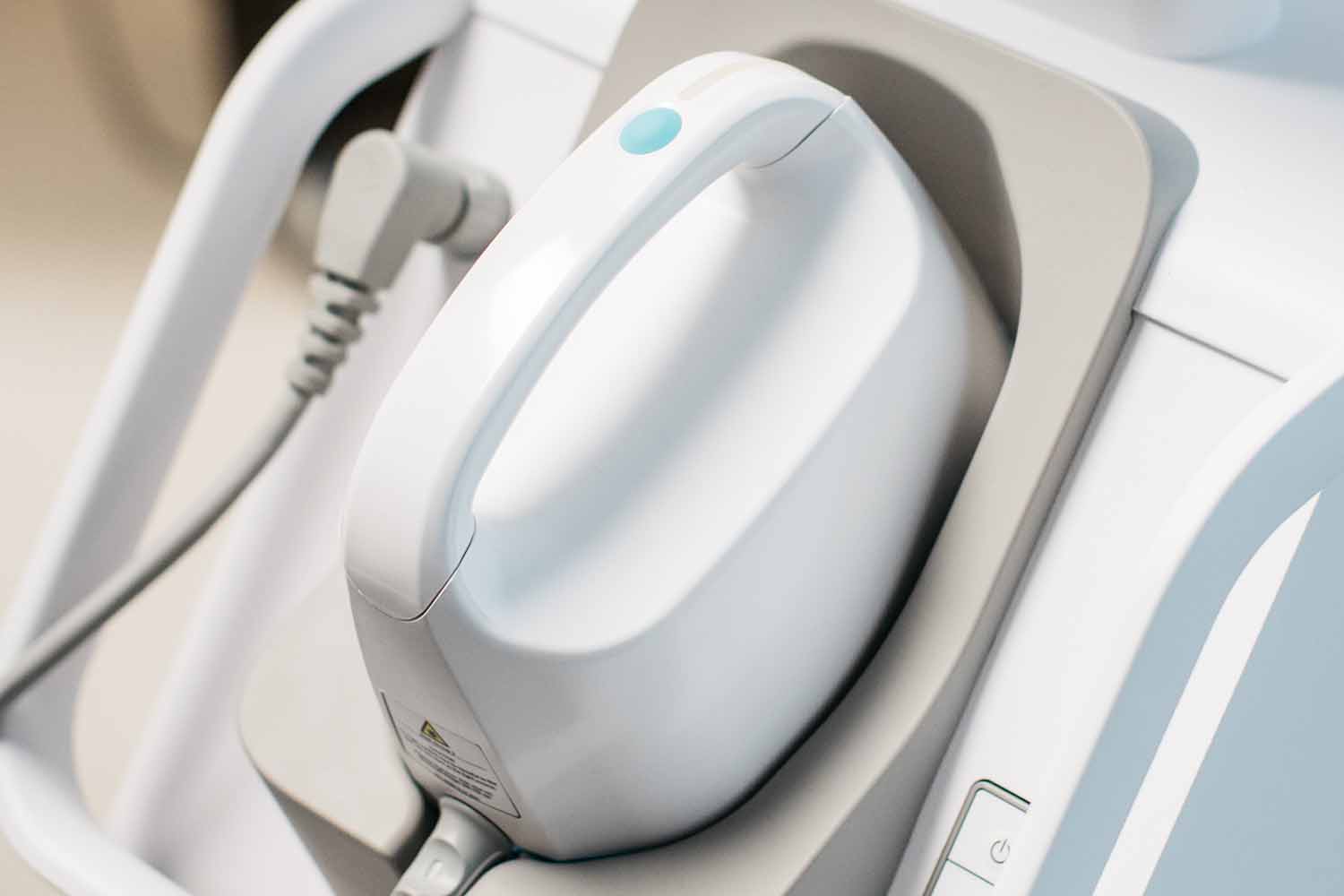
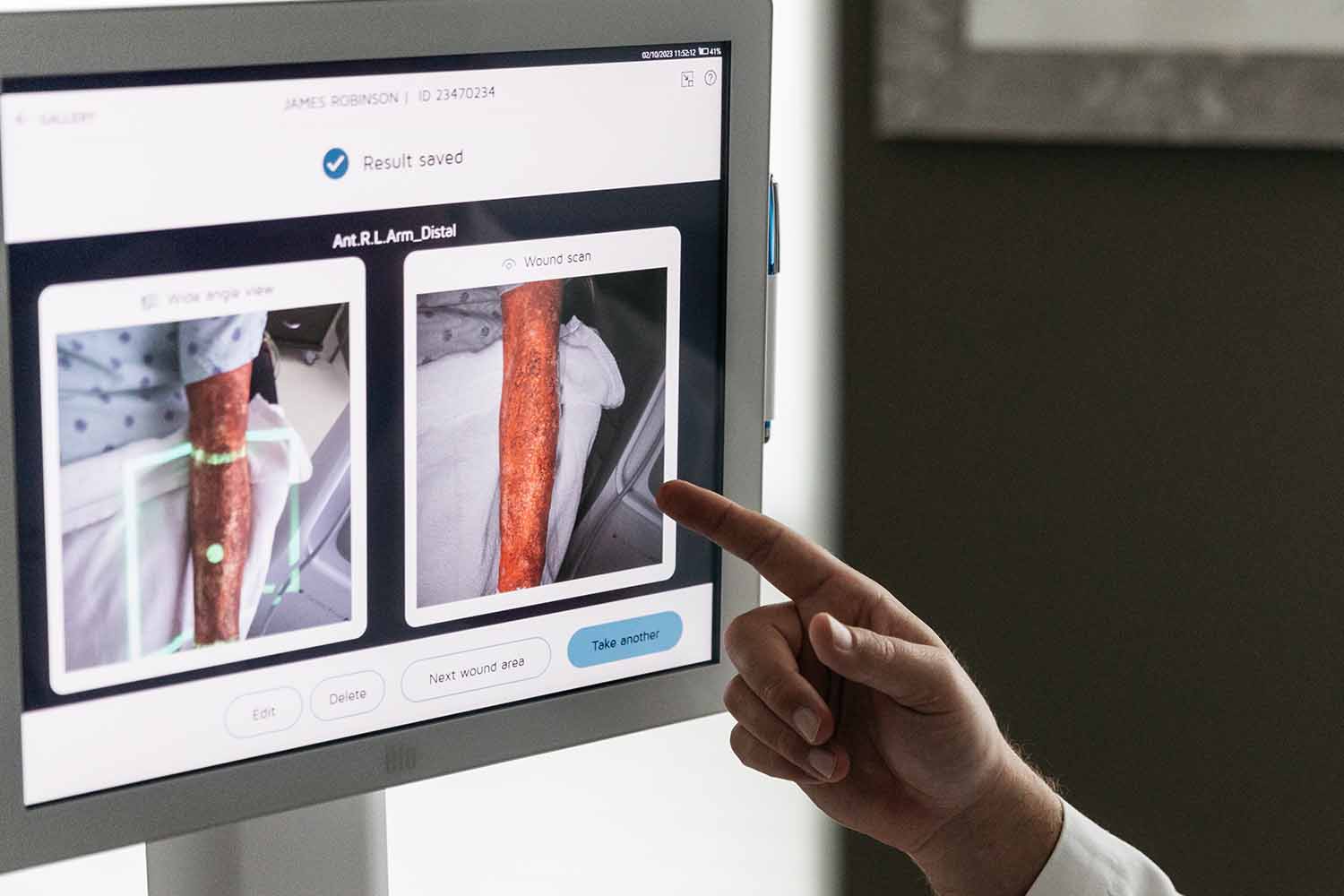
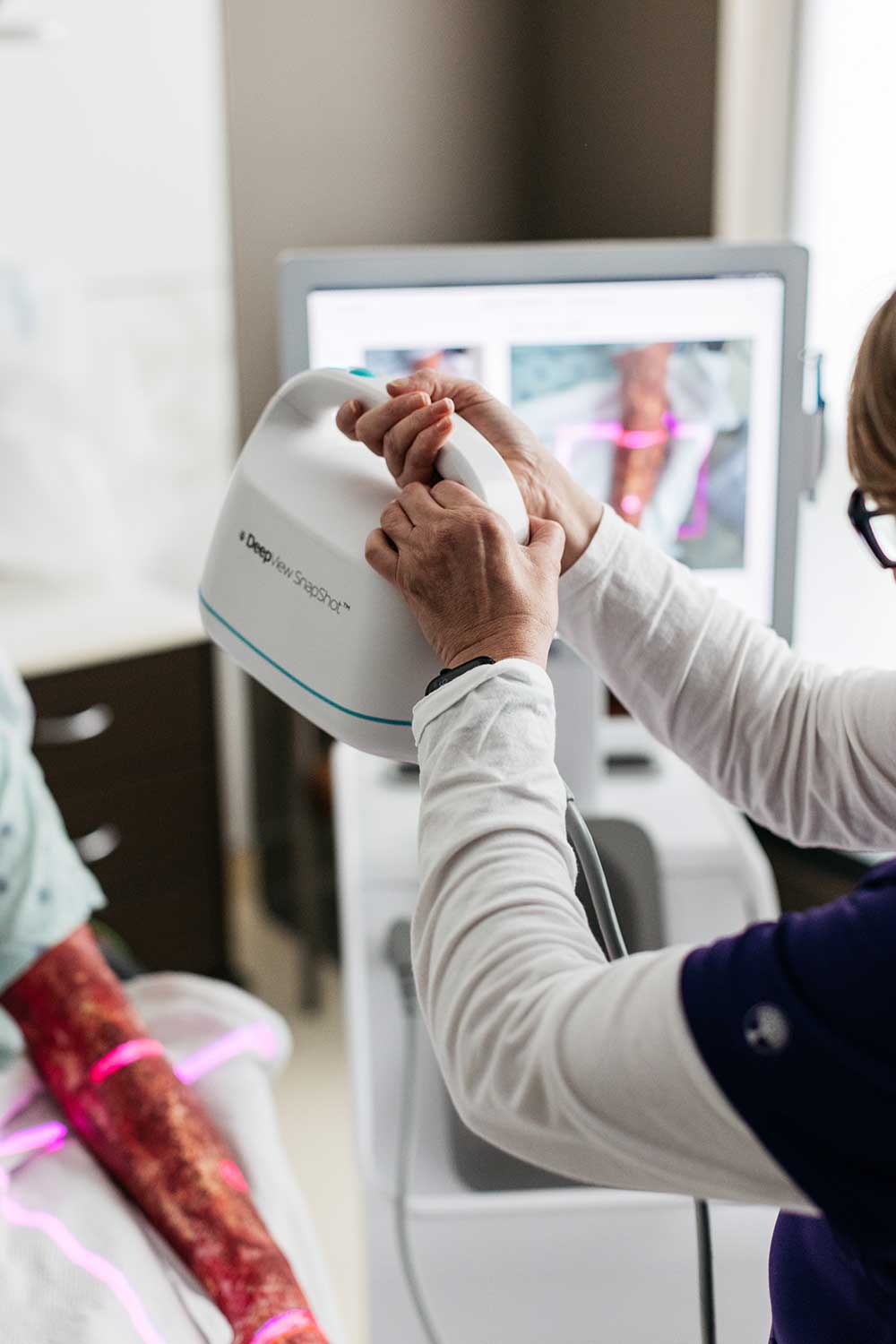
- Multispectral imaging of burn wounds using platforms such as the DeepView AI® System
The Role of Machine Learning in Medical Imaging
Machine learning models—including CNNs, random forests, and support vector machines—analyze complex imaging data and classify patterns that correlate with disease. Deep learning is especially effective for segmentation, reconstruction, and noise reduction.
In burn imaging research, early clinical evidence from the ABA Reader Validation Study, EBA 2025 study (Snelling et al.), and BBA First Reader Study demonstrates how algorithm-assisted imaging can significantly improve wound-depth assessment accuracy and inter-rater reliability.
More about Deepview
Learn more about our DeepView® technology
Request a Demo
Looking to learn more about DeepView® technology, or eager to see it in action?
Clinical Applications of AI in Medical Imaging
AI in Radiology
AI systems automate annotation, triage, segmentation, and report generation. Radiology departments use AI to prioritize emergent cases (e.g., pneumothorax detection) and reduce diagnostic error rates.
Notable Findings:
- Stanford’s AI model for pneumonia detection outperformed radiologists in retrospective testing.
- Massachusetts General Hospital reduced mammography false positives by 30% using AI triage tools.
These benefits mirror similar improvements seen in burn wound multispectral imaging, where objective data from AI-driven platforms improves consistency and reduces subjective visual error.
AI in Pathology
AI aids pathologists by digitally scanning slides and identifying micro-patterns associated with malignancy, inflammation, or tissue damage.
AI Enhancements Include:
- Faster digital slide review
- More consistent classification
- Automated quantification (e.g., tumor burden, mitotic count)
Image-to-data transformation seen in pathology parallels the workflow of multispectral wound imaging, where pixel-level signatures are converted into depth predictions and healing indicators.
AI in Cardiology
AI models interpret echocardiograms, CT angiography, and cardiac MRI to detect structural defects, perfusion deficits, or early signs of cardiomyopathy.
Benefits Include:
- Faster assessment of cardiac function
- Early detection of atherosclerotic changes
- More consistent reporting of EF, wall motion, valve function
More about Deepview
Learn more about our DeepView® technology
Request a Demo
Looking to learn more about DeepView® technology, or eager to see it in action?
Benefits of AI in Medical Imaging
Improved Accuracy and Precision
AI improves diagnostic precision by detecting pixel-level patterns and subtle gradients not perceptible to the human eye.
This is particularly important in domains with high inter-clinician variability, such as burn care, where reader studies repeatedly show a 20–30% discrepancy in depth interpretation (referenced in ABA, EBA, and BBA linked studies).
Time Efficiency & Workflow Optimization
AI tools automate labor-intensive tasks such as:
- Image sorting
- Segmentation
- Pre-screening
- Report suggestion
This allows clinicians to focus on complex decision-making and patient communication.
Data Management & Integration
AI organizes imaging data into structured, searchable formats. Clinicians benefit from integrated dashboards linking imaging data to EHRs, predictive models, and clinical workflows.
AI for Burn Imaging: A Critical Use Case
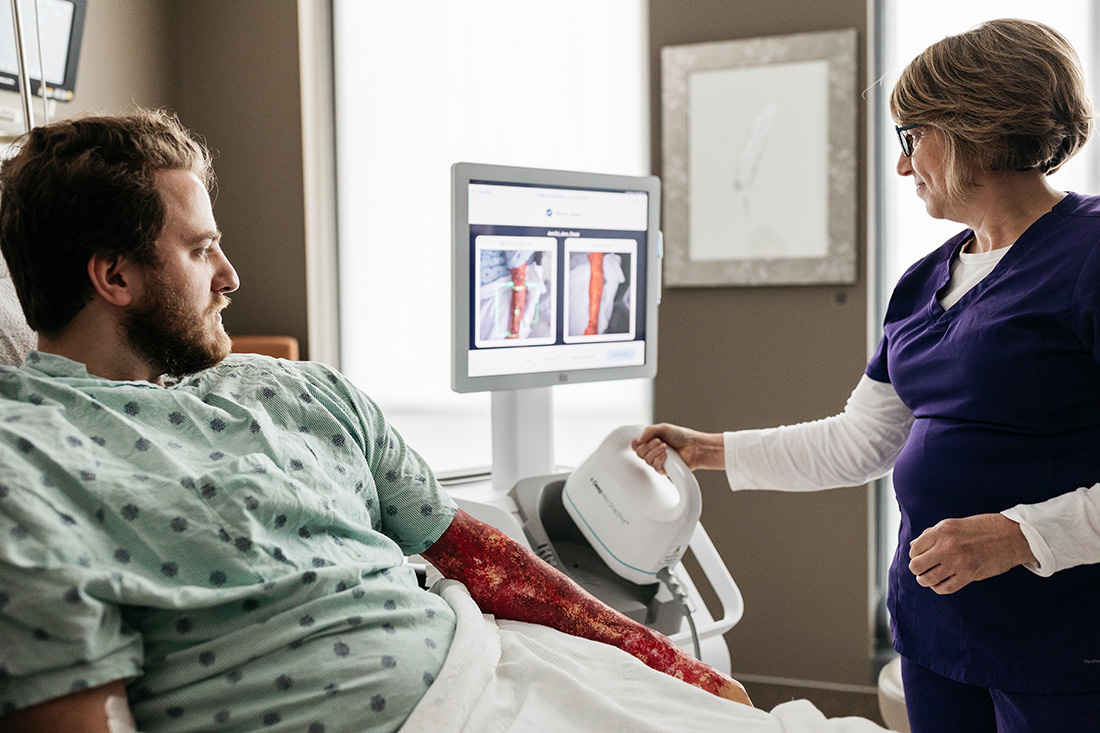
Burn wound assessment is one of the most compelling and urgent applications of AI and multispectral imaging. Studies continue to show that visual burn assessment is highly variable, even among burn specialists—reinforcing the need for objective, device-based evaluation.AI-driven wound imaging platforms, such as the DeepView AI® System, offer objective, pixel-level tissue characterization and predictive healing insights. These tools help address long-standing gaps in burn-care diagnostics and have been evaluated in multiple clinical studies (ABA, EBA, BBA).
Conclusion
Artificial intelligence is reshaping medical imaging by improving diagnostic consistency, accelerating workflows, reducing subjective interpretation, and enabling earlier intervention across a wide range of clinical specialties—including radiology, cardiology, pathology, and burn care.
As clinical evidence continues to accumulate, especially in wound care and burn imaging research, AI-driven diagnostic tools will play an increasingly central role in precision medicine and patient triage.
Related Posts