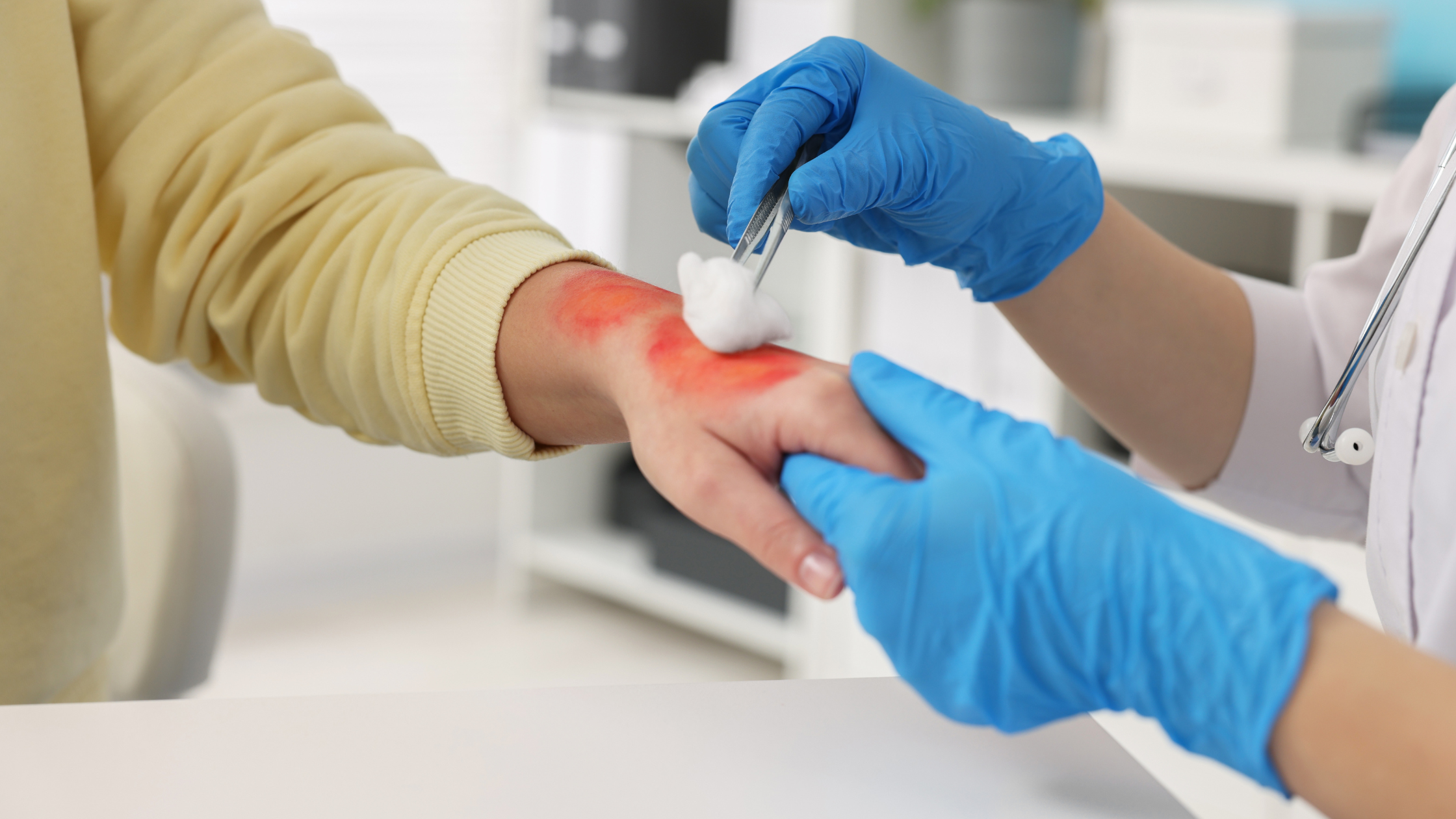
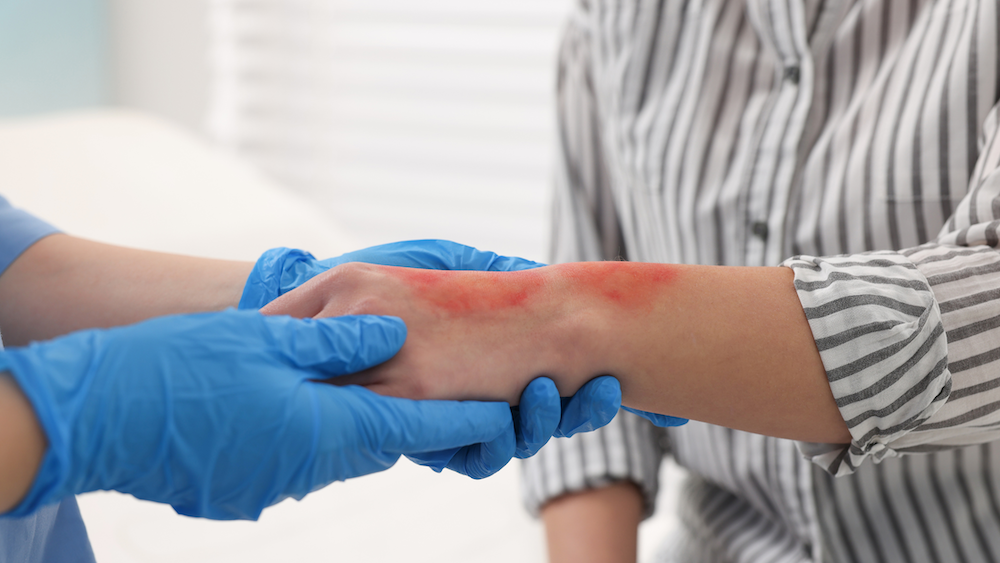
Superficial burns are the most common and mildest type of burn injury. While they can be painful and uncomfortable, they typically heal quickly and without permanent scarring. Understanding the healing timeline and what symptoms are normal at each stage can help patients and caregivers manage recovery with confidence.
This guide explains what a superficial epidermal burn is, outlines the healing stages, and describes when medical care may be necessary.
What Is a Superficial Burn?
A superficial epidermal burn (commonly referred to as a mild or superficial burn) affects only the outermost layer of the skin—the epidermis. Unlike deeper burns, it does not extend into the dermis or underlying tissues.
Common causes of superficial burns include:
- Sunburn
- Brief contact with hot surfaces
- Minor scalds from hot liquids
- Short exposure to flame or friction
Superficial epidermal burns are considered the least severe classification of burn injury and typically do not blister. Because only the epidermis is affected, healing is usually rapid and complete.
For a broader overview of burn classifications and severity levels, see:
Understanding the Severity of Burns in Medical Practice
Symptoms of a Superficial Burn
Symptoms usually appear immediately after injury and may include:
- Redness
- Pain or tenderness
- Mild swelling
- Warmth at the affected site
- Dry or tight-feeling skin
Importantly, superficial burns do not cause blisters or open wounds. If blistering occurs, the injury may involve deeper layers of the skin, such as a superficial dermal (partial thickness) burn.
Superficial Burn Healing Stages (Timeline)
Healing from a superficial epidermal burn follows a predictable pattern. Most burns resolve within 7–10 days, depending on the individual and the size of the affected area.
Stage 1 – Initial Inflammatory Response (Day 0–2)
Immediately after injury, the body initiates an inflammatory response.
During this phase:
- Redness and warmth are noticeable
- Pain may peak
- Mild swelling can occur
- Increased blood flow supports tissue repair
This stage can feel uncomfortable, but it is a normal and necessary part of healing.
Stage 2 – Skin Repair & Regeneration (Days 3–7)
As inflammation decreases, the skin begins regenerating new cells.
During this phase:
- Pain gradually decreases
- Redness begins to fade
- New epidermal cells replace damaged tissue
- Skin may feel dry, tight, or slightly itchy
Peeling may occur as damaged surface cells are shed and replaced.
Stage 3 – Complete Healing (7–10 Days)
By the final stage:
- Skin returns to its normal or near-normal tone
- The surface fully heals
- No scarring develops
- Temporary discolouration may persist briefly
Because deeper layers of skin are not involved, superficial burns heal without permanent damage.
How Long Does a Superficial Burn Take to Heal?
Most superficial epidermal burns heal within 7 to 10 days.
Key factors influencing healing time include:
- Burn size and location
- Patient age
- Overall health and immune function
Healthy adults often heal quickly. Children and older individuals may experience slightly slower recovery due to differences in skin structure and immune response.
For a deeper explanation of wound healing phases across burn severities, read:
Burn Wound Healing: Understanding the Stages and Processes
How to Care for a Superficial Burn
Proper care can reduce discomfort and support faster healing.
Recommended steps:
- Cool the burn under cool (not cold) running water for several minutes
- Keep the area clean and dry
- Use a non-adhesive dressing if clothing causes irritation
- Apply a fragrance-free moisturiser or aloe after the first day
- Use over-the-counter pain relief if needed
Avoid:
- Ice or very cold water
- Butter, oils, or home remedies
- Harsh topical chemicals
Most superficial burns can be safely managed at home.
When to Seek Medical Care
Although superficial burns are typically mild, medical evaluation is recommended if:
- The burn covers a large surface area
- It occurs on the face, hands, feet, groin, or major joints
- Pain worsens instead of improving
- Signs of infection appear (increasing redness, swelling, discharge)
- The burn does not heal within 10 days
If symptoms change or worsen, reassessment may be necessary to rule out a deeper dermal or full thickness burn.
How Superficial Burns Differ From Deeper Burns
Understanding burn depth helps prevent confusion during recovery.
Superficial epidermal burns:
- Affect only the epidermis
- Do not blister
- Heal without scarring
Superficial dermal (partial thickness) burns:
- Extend into the upper dermis
- Often blister
- Usually heal with minimal scarring
Deep dermal (partial thickness) burns:
- Extend deeper into the dermis
- May appear pale or mottled
- Often require longer healing and may scar
Full thickness burns:
- Affect all layers of the skin and may extend into deeper tissues
- May appear white, leathery, or charred
- Typically require surgical intervention
Key Takeaways
- Superficial epidermal burns affect only the outer layer of skin
- Healing is predictable and typically complete within 7–10 days
- Pain and redness peak early, then gradually improve
- Proper care supports faster recovery
- Medical evaluation is rarely needed but sometimes appropriate
Understanding what to expect during each healing stage can help reduce anxiety and ensure proper care throughout recovery.
Frequently Asked Questions About Superficial Burn Healing
How do I know if my burn is superficial or deeper?
A superficial burn affects only the outer layer of skin (epidermis) and typically causes redness, pain, and mild swelling without blistering. If blisters form, the burn may involve the dermis (partial thickness). If you are unsure, medical evaluation is recommended.
Do superficial burns peel when they heal?
Yes. Mild peeling is common during the skin repair phase (usually days 3–7). Peeling occurs as damaged outer skin cells are replaced by new epidermal cells.
Can a superficial burn leave a scar?
Superficial burns do not cause permanent scarring because they affect only the epidermis. Temporary redness or colour changes may occur but typically fade within days to weeks.
Should I cover a superficial burn or leave it exposed?
Most small superficial burns do not require dressings. However, a non-adhesive dressing can be used if clothing causes irritation. Keeping the area clean and protected supports comfortable healing.
Is it normal for a superficial burn to hurt for several days?
Yes. Pain is typically strongest during the first 24–48 hours and gradually decreases. If pain worsens instead of improving, medical evaluation may be necessary.
When should I be concerned about a mild burn?
You should seek medical care if:
- The burn covers a large area
- It affects the face, hands, feet, or major joints
- Signs of infection develop
- Healing does not occur within 7–10 days
Related Posts